
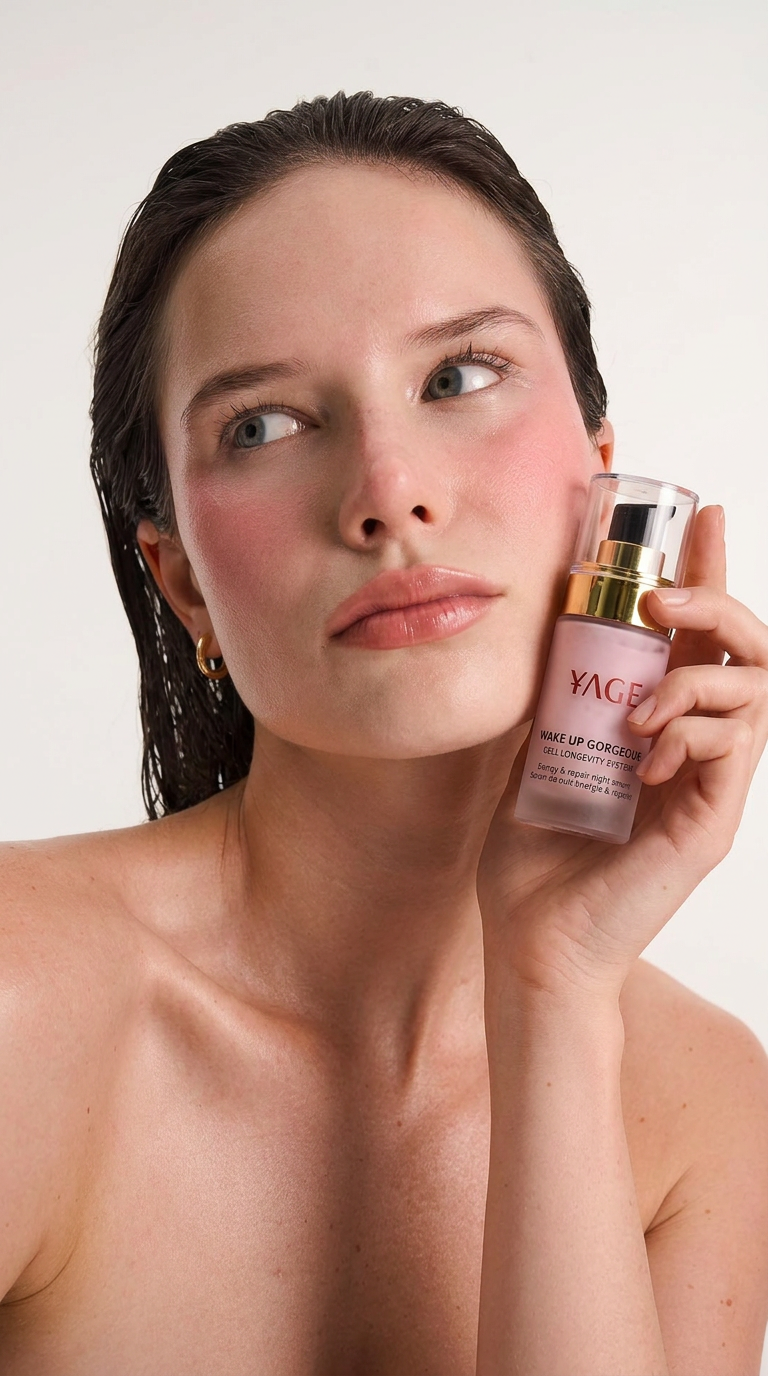
Skin ageing doesn’t start with wrinkles. It starts deep inside our cells – and one of its most important drivers is a process scientists call cellular senescence.
Just a few years ago, mature skin care focused mainly on correction: smoothing wrinkles, adding hydration, brightening the complexion. Today the focus is shifting to what actually drives ageing. This approach is called skin longevity – care that aims not only to make skin look young, but to keep it healthy and functional for the long term. And senescent, so-called “zombie” cells are one of its most fascinating topics.
What is cellular senescence
Cellular senescence is a state in which a cell permanently stops dividing but does not die. Instead of renewing itself or being naturally cleared away, it stays in the tissue – and remains metabolically active.
Senescence in itself isn’t bad. It’s a protective mechanism: when a cell is damaged (for example by UV radiation, oxidative stress or repeated division), it “pulls the brake” so the damage doesn’t spread. In young skin, the immune system routinely clears these cells away.
With age, however, this clean-up slows down. Senescent cells build up faster than the body can remove them, and they begin to accumulate in the skin. That’s why they’re called “zombie” cells: they no longer work like young, healthy cells, yet they don’t go away.
Researchers identify them by typical markers, such as the proteins p16 and p21, which keep the cell locked in an arrested cell cycle.
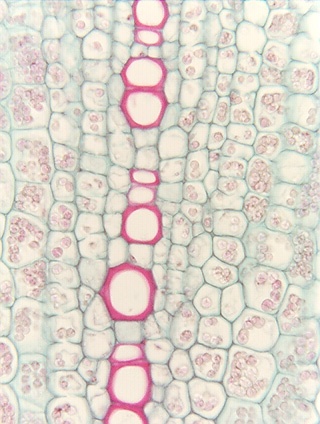
What zombie cells do in the skin
The biggest problem isn’t that senescent cells stop working. It’s what they release into their surroundings.
Zombie cells secrete a mix of inflammatory substances, enzymes and signalling molecules known as SASP (senescence-associated secretory phenotype). This “toxic communication” has several consequences:
- It sustains quiet, chronic inflammation. SASP includes, for example, the interleukin IL-1. This long-term, low-grade inflammation that intensifies with age is called inflammaging.
- It breaks down the skin’s support structure. Enzymes such as matrix metalloproteinases (MMPs) degrade collagen and elastin in the dermis.
- It “infects” healthy neighbouring cells. SASP signals can push surrounding cells to become senescent themselves, so ageing spreads like a chain reaction.
- It slows down renewal. An environment full of inflammatory signals works against new collagen production and natural regeneration.
So a single senescent cell doesn’t just harm itself – it worsens conditions for the whole tissue around it. In the skin, they are most common among fibroblasts, the cells that produce collagen and elastin.
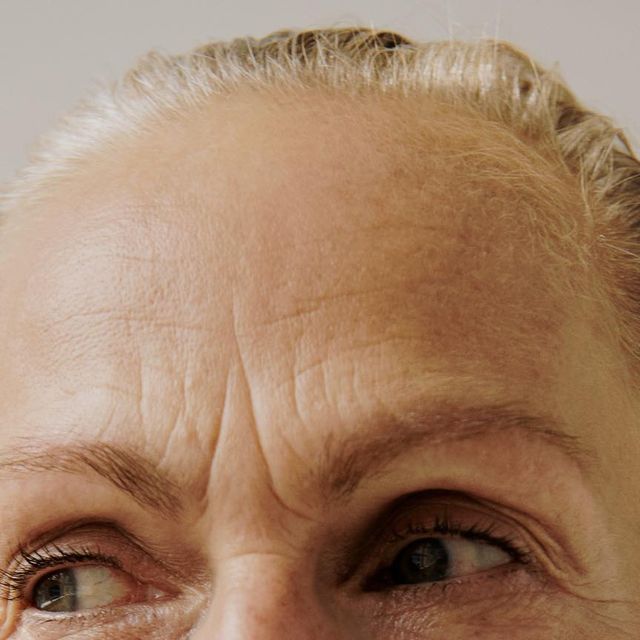
How it shows on the skin
The build-up of senescent cells doesn’t show overnight. It works slowly and subtly, but most of us know the signs:
- Loss of firmness and elasticity – less collagen and elastin, a less defined contour.
- Fine lines and deeper wrinkles – for example around the eyes (crow’s feet).
- Uneven texture and a rougher surface – skin looks tired and less smooth.
- Slower regeneration – skin takes longer to recover from irritation, dryness or sun exposure.
- Greater sensitivity and a tendency to inflammation – a result of the chronic inflammatory environment.
- Weaker response to actives – peptides or retinol may work less effectively in a “zombie” environment.
Senescence is accelerated mainly by UV radiation, air pollution, smoking, stress and lack of sleep. That’s why the first signs can appear earlier than your age on paper would suggest.
ETERWELL™ YOUTH – senescence care from the Alps
ETERWELL™ YOUTH is an active ingredient that targets the problem of senescent cells directly. It is made by the Swiss-Dutch company dsm-firmenich from the alpine plant Epilobium fleischeri (Alpine willowherb, INCI: Epilobium Fleischeri Leaf/Stem Extract). In 2024 it won the Best Active Ingredient in Skin Care award at in-cosmetics Global.
An alpine plant rich in flavonoids
Alpine willowherb grows on the gravel banks of alpine rivers and moraines, in harsh conditions with intense UV exposure. Its extract is rich in flavonoids, especially myricetin, which are behind its effect. The ingredient is 100% natural origin according to ISO 16128, and the plant comes from a sustainable, traceable source.
How it works
ETERWELL™ YOUTH belongs to the so-called senolytic ingredients. Senescent cells “stay alive” partly thanks to the protein BCL-2, which blocks their natural death. According to the manufacturer’s research, the extract weakens this protection, allowing senescent cells to be cleared through natural pathways – while healthy cells remain untouched.
The result:
- Fewer senescent cells in both the epidermis and the dermis.
- Weaker inflammatory SASP signals, including IL-1 – a calmer environment in the skin.
- Room for renewal – healthy fibroblasts can produce collagen again.
What the manufacturer’s studies show
|
Test |
Result |
|---|---|
|
In vitro (0.03%) |
52% fewer senescent cells; healthy cells unaffected |
|
Ex vivo (skin samples) |
lower senescence markers p16 and p21 and inflammatory IL-1 |
|
Ex vivo (1%) |
44% more collagen |
|
Clinical, 3%, 2 weeks |
24% smoother skin; texture corresponding to skin 2 years younger |
|
Clinical, 3%, 3 months |
texture corresponding to skin 6 years younger; crow’s feet 17% lower in volume and 11% shallower |
According to the manufacturer, ETERWELL™ YOUTH also works in synergy with other actives. Once the skin is “cleared” of zombie cells, peptides or retinol have more room to work. In one study, combining it with a collagen-boosting peptide increased collagen density significantly more than the peptide alone.
The results above come from studies by the raw-material manufacturer (dsm-firmenich) and describe the effect of the ingredient itself at the tested concentration.
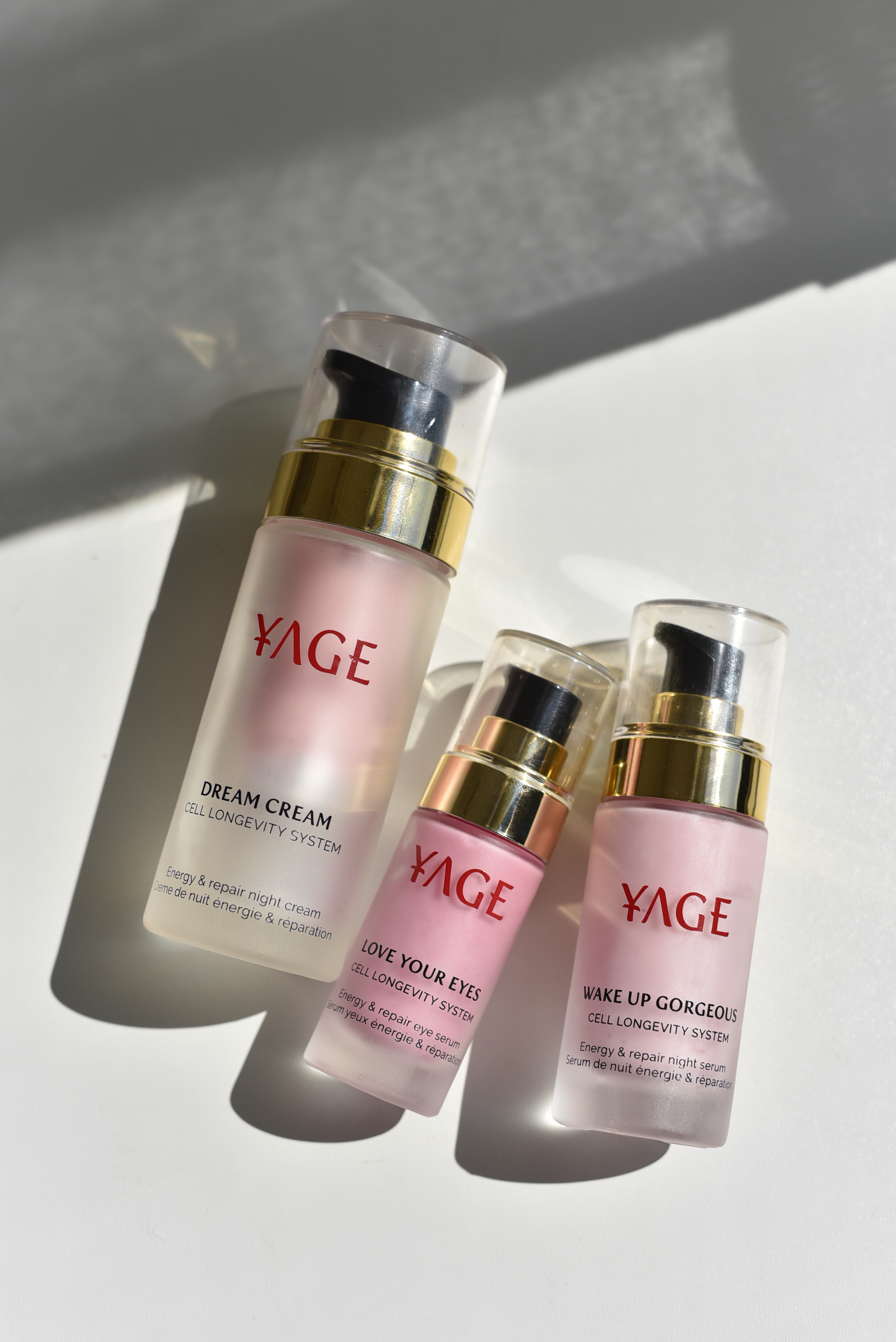
ETERWELL™ YOUTH is a key ingredient in our longevity-focused night skincare line, featured in the night serum, eye serum, and night cream. This revolutionary night care system works at the cellular level. The range—comprising a night serum, night cream, and eye serum—boasts a potent active formula designed to rejuvenate your skin while you sleep. It targets not only visible signs of aging but also the mechanisms underlying cellular communication, skin renewal, and resilience.
How to care for your skin with senescence in mind
Senescence can’t be stopped completely – it’s a natural part of life. But we can slow its build-up and give the skin an environment where it can renew itself well.
- Protect your skin from the sun. UV radiation is one of the strongest triggers of senescence. SPF belongs in your morning routine all year round.
- Calm inflammation. Avoid harsh cleansing and over-exfoliating, which irritate the skin unnecessarily.
- Focus on cells, not just the surface. Actives such as ETERWELL™ YOUTH help reduce the negative impact of senescent cells and prepare the skin for the rest of your routine.
- Combine wisely. In a “cleared” environment, peptides, antioxidants or retinoids can work better.
- Mind your lifestyle. Good sleep, not smoking, a varied diet rich in polyphenols and regular movement support cell health from within.
- Be patient. Cellular renewal takes time. In studies, the first changes in texture appeared after 2 weeks, with more visible results after 3 months of regular use.