
.jpg)
Retinol is one of the most effective and best-studied cosmetic ingredients for skin regeneration. It is a derivative of vitamin A that can visibly improve skin structure, support collagen production and reduce signs of aging. It is precisely because of its ability to influence cell renewal that retinol is considered the gold standard in anti-aging care.
Retinol works in the skin by gradually converting into a biologically active form, retinoic acid. This process stimulates faster skin cell renewal, which leads to smoothing of the skin surface, unifying tone and reducing fine lines. Regular use supports the production of collagen and elastin, proteins responsible for skin firmness and elasticity. Thanks to this, the skin can become smoother, firmer and optically younger with long-term use.
A great benefit of retinol is also its ability to regulate sebum production and unclog clogged pores. That is why it is popular not only in anti-aging care, but also in treating acne. It helps reduce the appearance of pimples, improves skin texture and can gradually lighten pigment spots caused by the sun or post-inflammatory hyperpigmentation.
Although retinol is very effective, it requires careful handling. Temporary irritation, dryness, flaking or redness may occur when starting to use it. Therefore, it is advisable to start with a lower concentration and apply the product only a few times a week until the skin builds up a tolerance. At the same time, it is important to support the skin with moisturizing care, which will help keep the skin barrier in balance.
Daily sun protection is also essential. Retinol increases the skin's sensitivity to UV radiation, and without sufficient protection, irritation or the appearance of pigment spots can occur. The use of a cream with SPF should be a given throughout the retinol course. Retinol is also not recommended during pregnancy, as high doses of vitamin A can have a negative effect on fetal development.
New EU retinol regulation
From 2025, new legislative changes regarding the use of retinol in cosmetics have entered into force in the European Union. These changes are based on Commission Regulation (EU) 2024/996 amending Annex III to Cosmetics Regulation (EC) No 1223/2009. Retinol, retinyl acetate and retinyl palmitate have been newly included among substances with restricted use. The reason is the effort to limit the overall exposure to vitamin A from various sources, i.e. not only from cosmetics, but also from food and food supplements.
New maximum concentrations expressed as retinol equivalent have been set. In body products, the limit is set at 0.05%, while in other cosmetic products, such as face creams and serums, the maximum permitted concentration is 0.3%. At the same time, an obligation has been introduced to include a warning on the packaging that the product contains vitamin A and that it is appropriate to consider its total daily intake. From 1 November 2025, only products that meet the new limits and labelling requirements can be placed on the EU market. From 1 May 2027, it will no longer be possible to sell or resell products that do not comply with these rules. This means that some stronger retinol products with higher concentrations that have been commonly available until now will have to be reformulated or withdrawn from the market.
In our products, we use a natural alternative to retinol - bakuchiol, or retinyl-sunflowerseedate, which has not been found to be risky by EU legislation due to its concentration, as it is the mildest type of retinol. It has very good tolerability and high stability. The new regulation applies to the following substances: retinol, retinyl acetate and retinyl palmitate.
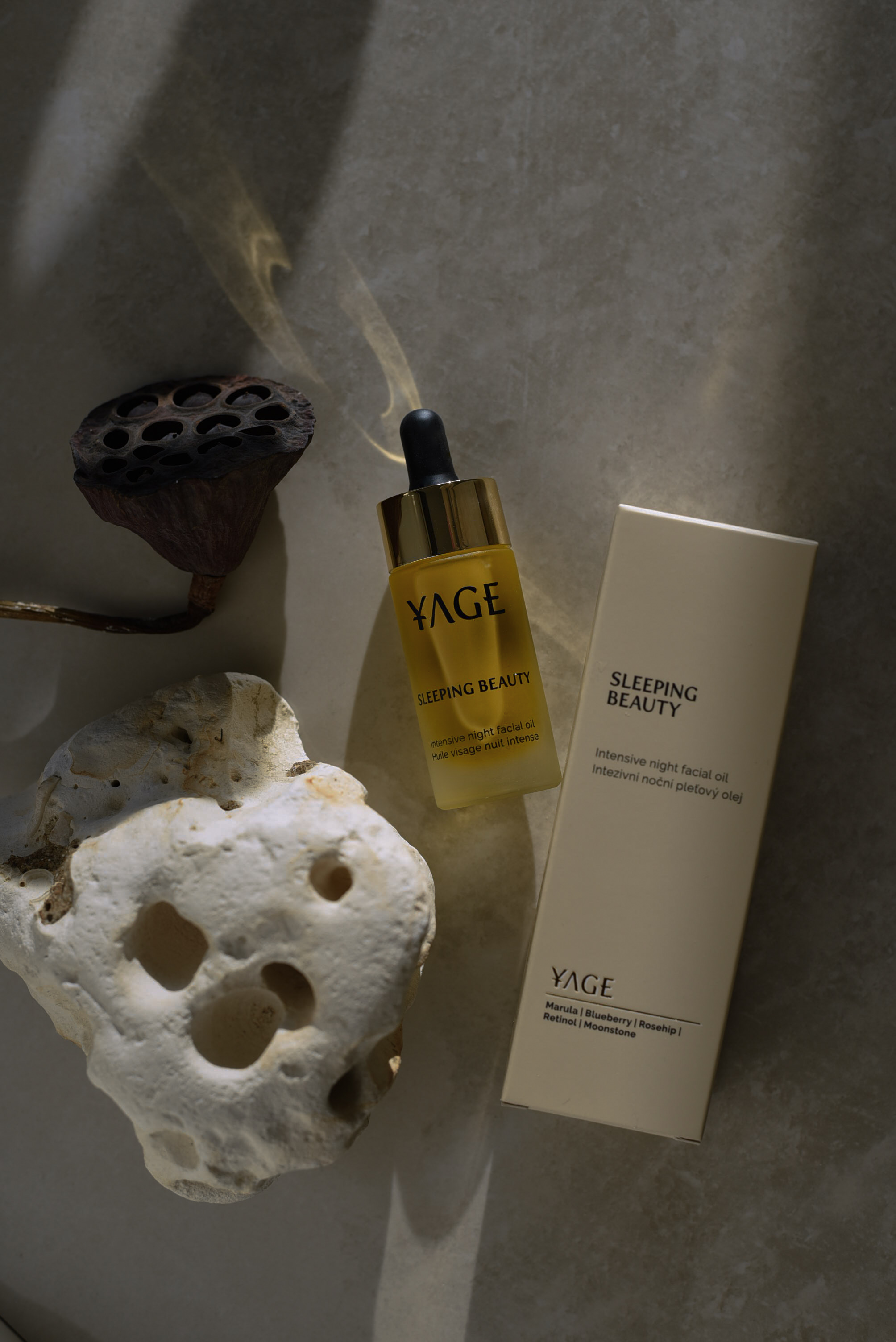
Retinyl-sunflowerseedate is contained in our Sleeping Beauty night oil serum. Every drop of this intense velvety oil, full of plant extracts with the unique properties of blueberry, baobab, cacao, camellia, marula, argan oil and rosehip, revitalizes dry skin, stimulates skin cell regeneration and collagen production. With its extraordinary rejuvenating and healing properties, it affects all layers of the skin.
The natural alternative Bakuchiol is contained in SOS Miracle, a topical acne treatment and Magical phyto eye elixir. Although bakuchiol is not chemically related to retinol, research shows that it can activate similar cellular mechanisms in the skin. This means that it supports cell renewal, stimulates collagen production and helps improve the overall structure of the skin, without causing irritation like classic retinoids. The skin is not sensitive to light after it, so you can use the care with bakuchiol during the day.