
.jpg)
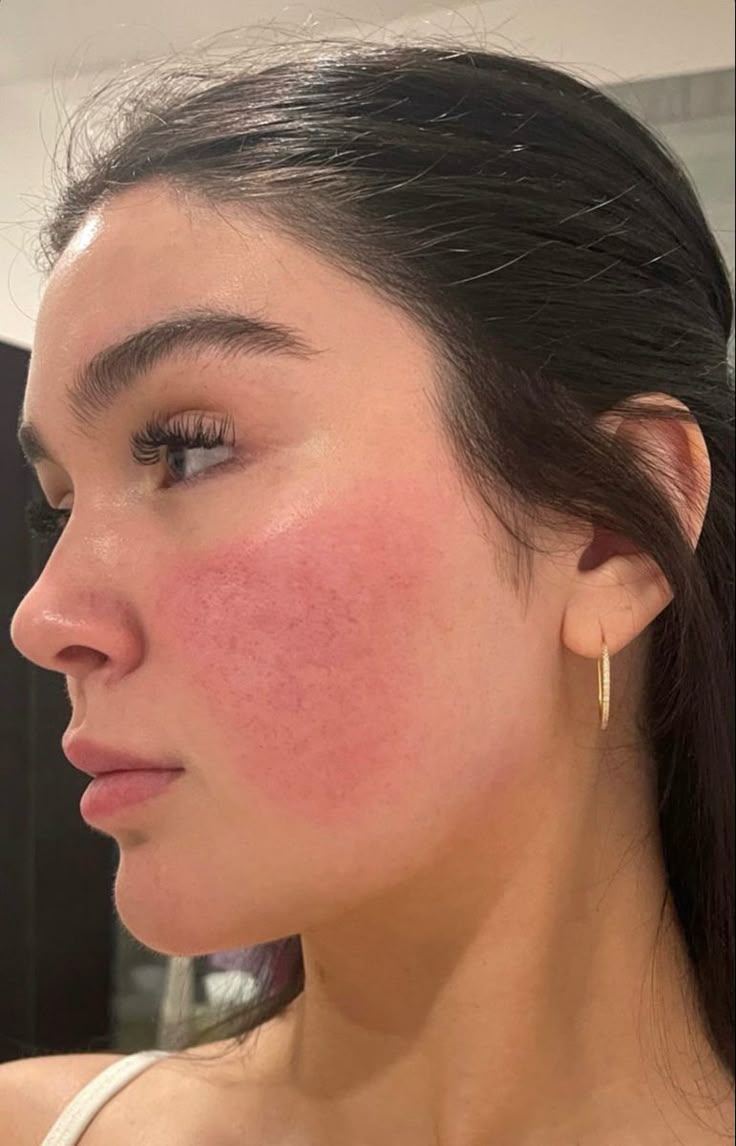
Winter is one of the most challenging seasons for skin affected by rosacea. Freezing temperatures, icy winds, frequent transitions between cold outdoors and heated interiors, and dry indoor air can significantly worsen redness, burning, and overall skin sensitivity. How can you care for rosacea-prone skin during winter so it stays calm, hydrated, and protected?
Why Is Freezing Weather So Hard on Rosacea?
Rosacea is a chronic inflammatory skin condition in which vascular reactivity and a weakened skin barrier play a key role. In cold weather, the skin is exposed to:
-
Sudden constriction of blood vessels outdoors and rapid dilation indoors
-
Further weakening of the skin barrier
-
Increased transepidermal water loss
-
Greater sensitivity to wind and cold
As a result, redness may intensify, along with sensations of tightness, stinging, burning, or the appearance of inflammatory flare-ups.
Winter Skincare for Rosacea: Step by Step
1. Gentle but Effective Cleansing
During winter, it’s essential to avoid stripping the skin. Steer clear of foaming cleansers with harsh surfactants or alcohol. Gentle emulsions or cleansing milks are ideal, as they cleanse without disrupting the skin’s protective film.
Our Velvet Touch cleansing gel is a suitable care for sensitive skin, as it does not irritate the skin while effectively cleansing it and has an anti-inflammatory effect.
2. Strengthen the Skin Barrier
In winter, rosacea-prone skin needs more than hydration — it needs protection. Look for ingredients that support the skin barrier, such as:
-
ceramides
-
squalane
-
cold-pressed plant oils
-
beta-glucan
-
panthenol
These ingredients help the skin better withstand cold conditions and reduce overall reactivity.
3. Less Is More
Winter is not the time for experimentation. Skin with rosacea benefits from a minimalist routine without excessive active ingredients. Limit exfoliation, strong acids, or high concentrations of vitamin C, which may further irritate sensitive skin during colder months.

4. A Protective Cream Is Your Winter Coat
Before heading outdoors, apply a richer, protective cream that forms a barrier on the skin. Ideally, apply it 20–30 minutes before going outside, allowing it to absorb properly so moisture does not remain on the surface, which could increase irritation in freezing temperatures. A great care product for the winter season is our Mystic Tansy Blue skin balm, which creates a protective layer against adverse effects and nourishes the skin.
5. Don’t Forget SPF — Even in Winter
Even when the sun doesn’t feel strong, UV radiation is still present and can aggravate rosacea. Sun protection is especially important in the mountains or when surrounded by snow, which reflects UV rays. Our BB and CC creams with mineral SPF combine sun protection while providing coverage for imperfections and unifying the skin. Ideal care for those suffering from rosacea.
What Should Rosacea-Prone Skin Avoid in Winter?
-
hot water when cleansing the face
-
alcohol in skincare products
-
fragrance and high concentrations of essential oils
-
mechanical exfoliation
-
sudden temperature changes
Listen to Your Skin
Every rosacea-prone skin type reacts differently. Winter is the perfect time to slow down, simplify your routine, and return to the essentials. When you give your skin calmness, protection, and high-quality formulations, it will reward you with less redness and greater comfort — even during the coldest days.