
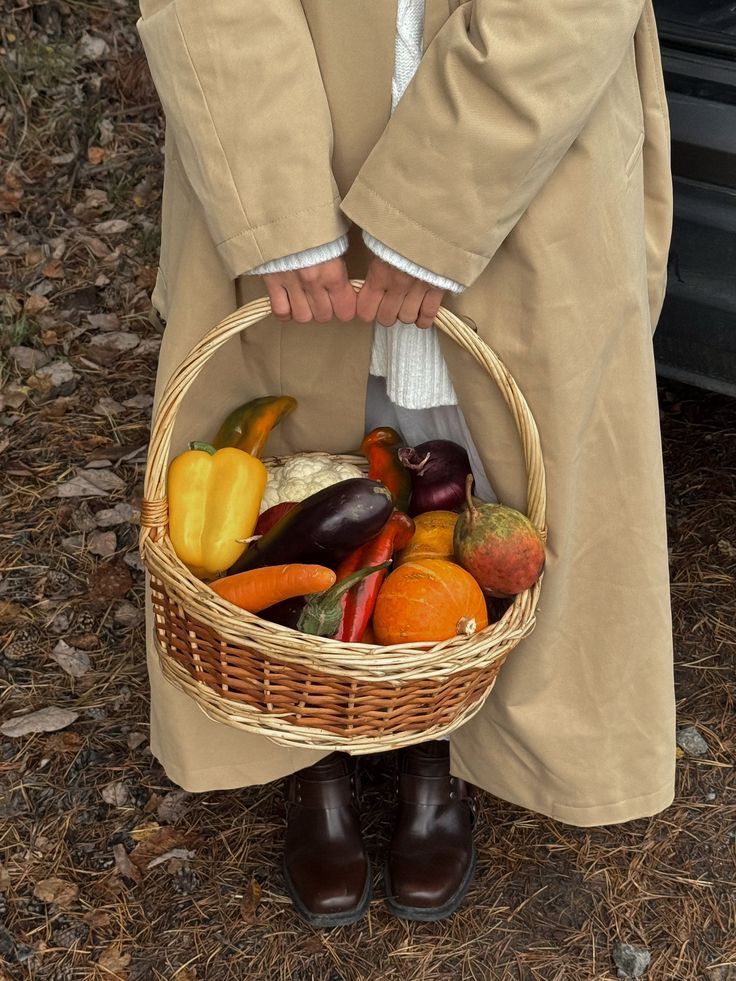
Shorter days, less sunshine, misty mornings and the first colds making the rounds at the office or at school. Autumn is the season when our bodies need a little extra care, and that care starts on our plates. The good news? Right now, nature offers exactly what we need: warming root vegetables, fragrant spices, fermented treats and mushrooms rich in beta-glucans.
In this article, you’ll find out what to add to your autumn diet, which herbs and spices to keep on hand, why your gut microbiome deserves attention, and how to easily top up your day with functional mushrooms, vitamin C and zinc. Because immunity and resilience begin in the gut, and a healthy microbiome is also linked to the condition of our skin.
Seasonal foods worth eating this autumn
The best autumn diet follows what is growing around us right now. Seasonal produce is fresher, tastier and often more nutritious than food that has travelled halfway around the world.
- Pumpkin (Hokkaido, butternut) – a source of beta-carotene, which the body converts into vitamin A. Vitamin A contributes to the normal function of the immune system and to healthy skin. Great in soups, roasted or in porridge.
- Root vegetables – carrots, beetroot, parsley root, celeriac and parsnips. Warming and filling, they provide fibre that your gut bacteria will appreciate.
- Cabbage and brassicas – kale, Brussels sprouts, broccoli, curly kale. They contain vitamin C, and cabbage is also the base of one of the best probiotic foods: sauerkraut.
- Apples and pears – contain pectin, a soluble fibre that feeds the beneficial bacteria in your gut.
- Rosehips and sea buckthorn – among the richest local sources of vitamin C. Perfect as tea, syrup or jam.
- Nuts and seeds – walnuts, hazelnuts, pumpkin seeds. They provide healthy fats, vitamin E, zinc (pumpkin seeds) and selenium (Brazil nuts).
- Mushrooms – shiitake, oyster mushrooms or button mushrooms. They contain beta-glucans, polysaccharides that are being studied for their relationship to immunity. We’ll come back to functional mushrooms later.
- Legumes – lentils, chickpeas and beans make a warming base for stews and are rich in protein, iron and fibre.
- Oily fish and eggs – among the few natural sources of vitamin D, which many of us lack from October to March due to limited sunlight in Central Europe.
- Garlic and onions – the foundation of every autumn kitchen. They also contain inulin, a prebiotic fibre for gut bacteria.
- Turmeric – golden milk in the evening or a pinch in pumpkin soup. Curcumin is better absorbed with a little fat and black pepper.
- Echinacea (coneflower) – a popular herb for the colder months, most often taken as a tea or tincture.
Probiotics: a healthy gut as the foundation
A significant share of the body’s immune cells reside in the gut, which is why caring for your gut microbiome pays off, especially in autumn. Your microbiome needs two things: probiotics (live beneficial bacteria) and prebiotics (fibre that feeds these bacteria).
Probiotic foods worth including: sauerkraut, kimchi, kefir, yoghurt and acidophilus milk, kombucha and kvass, miso and tempeh.
Iwhen you want to give your gut some extra care: Probio Detox Therapy from the Slovak brand Organic Oasis combines 7 live probiotic strains (up to 20 billion CFU per daily dose) with prebiotic chicory inulin, white chlorella and the patented ingredient Hepure™, made from clove and Italian everlasting (immortelle). The probiotics are protected by five-layer microencapsulation so they reach the gut intact. Take 2 capsules in the evening before a meal, ideally for 3 months. The product won the Editor’s Choice award at The Beauty Shortlist Wellbeing Awards 2025. Ideal right now in autumn, when you want to strengthen your microbiome and immunity.
Functional mushrooms to strengthen the body
Mushrooms belong to autumn, and functional mushrooms even more so. Reishi, chaga, shiitake and lion’s mane have been used in Asian traditions for centuries. They contain beta-glucans, polysaccharides whose relationship to immune responses is now being studied by modern science.
Beta-glucans are a special type of fibre. You’ll find them mainly in mushrooms, oats, barley and yeast. Our bodies can’t digest them on their own, so they pass through the digestive tract almost unchanged until they reach the large intestine. Billions of beneficial bacteria live in the gut, and beta-glucans are one of their favourite foods. When the bacteria are well fed, they produce substances that nourish the gut wall and help keep it strong and healthy. Simply put: beta-glucans feed your “good” bacteria, and they in turn take care of your gut.
A large part of our immune system resides in the gut, so a happy gut and immunity go hand in hand. Scientists are also exploring how beta-glucans from mushrooms and yeast “communicate” with immune cells, which are able to recognise them. Research is still at an early stage, but it’s one of the reasons functional mushrooms have become so popular.
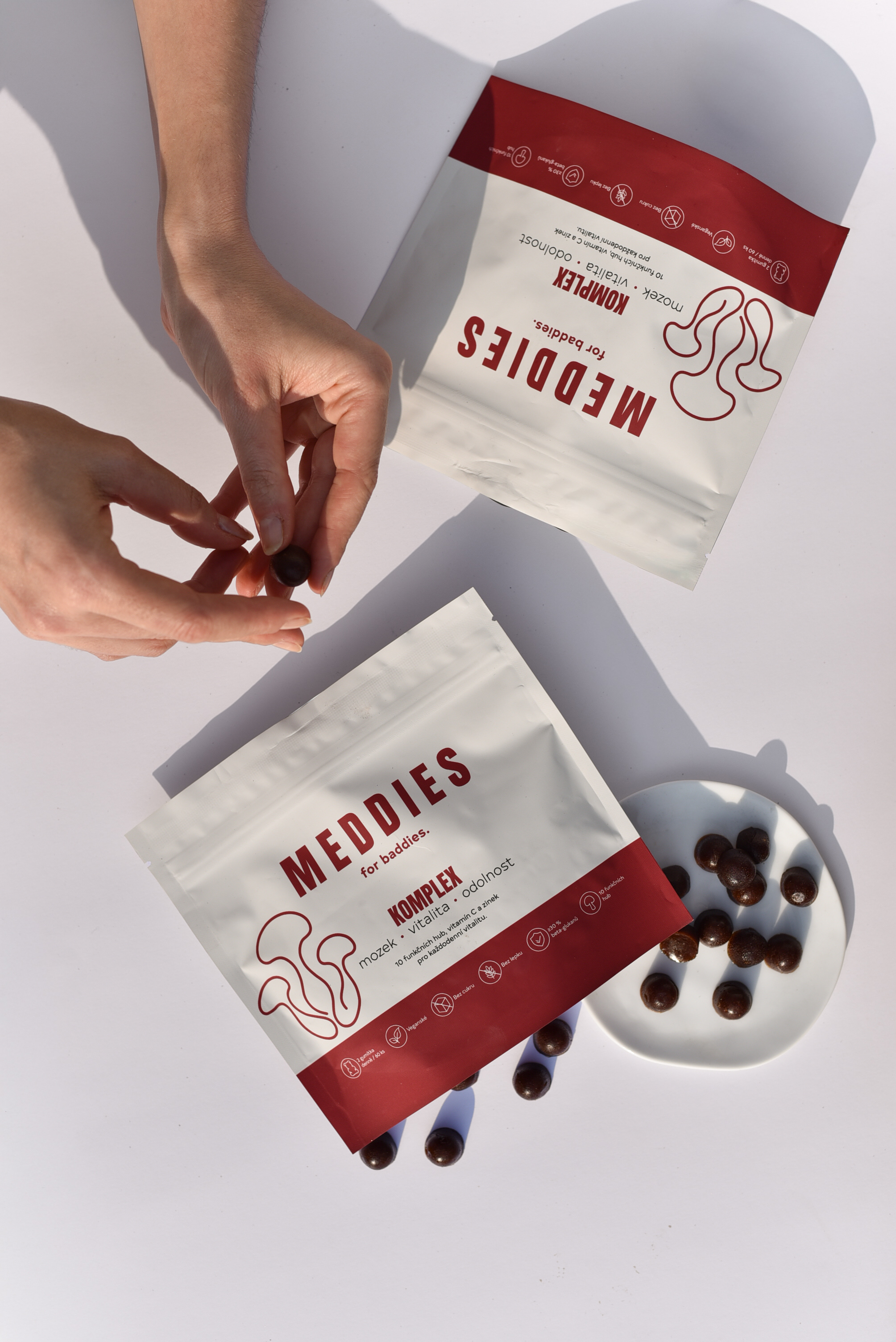
The catch is that putting together ten different capsules every day is hardly something to look forward to. That’s why we created MEDDIES Complex – ten functional mushrooms in one tasty gummy.
What you’ll find in MEDDIES:
- 10 concentrated 10:1 extracts, each standardised to at least 30% beta-glucans: lion’s mane, cordyceps, reishi, chaga, maitake, shiitake, almond mushroom (Royal Sun), poria, oyster mushroom and tremella.
- Vitamin C and zinc (in the well-absorbed bisglycinate form) – 2 gummies provide 100% of the daily reference intake of both nutrients. Vitamin C and zinc contribute to the normal function of the immune system, and vitamin C also contributes to the reduction of tiredness and fatigue.
- Natural raspberry flavour, no added sugar, gelatine-free and suitable for vegans.
MEDDIES targets five everyday areas: stress and mental balance, focus, immunity, energy and sleep. One pack is a month’s supply, and all you need is 2 gummies a day, for example as a sweet treat after lunch. No washing down pills, no struggling to swallow capsules.